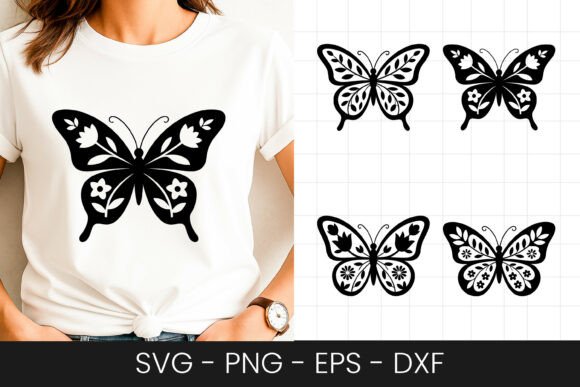
Review: Butterfly Outline Decorative Design SVG for Embroidery
As a designer who spends more time staring at stitch simulations than most people care to admit, I approach every new machine embroidery design with a mix of optimism and skepticism. When I first pulled up the Butterfly Outline Decorative Design SVG on my screen, my immediate reaction was one of appreciation for its simplicity. In a market flooded with overly complex, dense files that eat up thread and test the limits of tension, there is something refreshing about a clean, open outline. This isn't just a graphic; it's a potential cornerstone for a variety of handmade products if handled with the right technical knowledge.
The Aesthetic: Minimalism with Intent
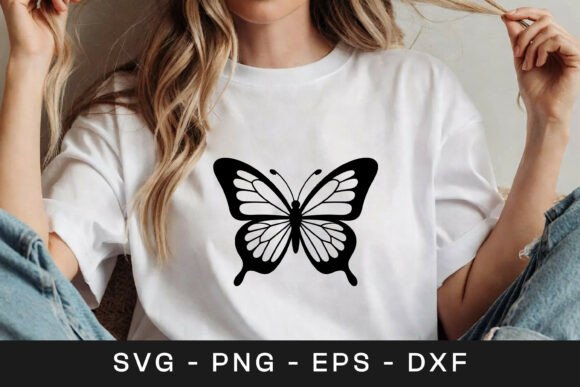
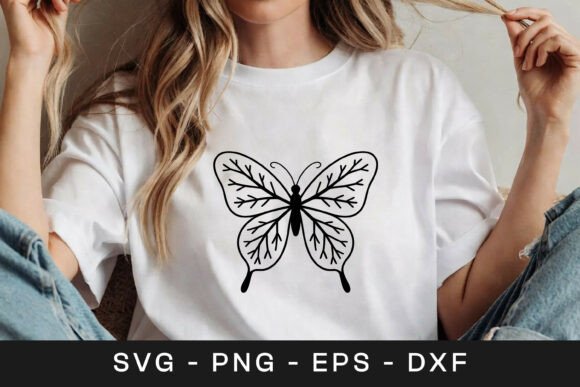
The visual personality of this Graphics asset leans heavily into modern minimalism. The lines are fluid, suggesting movement without being chaotic. For an embroidery project, this is crucial. An outline design like this relies entirely on the quality of the path and the consistency of the stitch execution. It creates a mood that is light, airy, and slightly whimsical, making it an excellent candidate for spring collections, nursery decor, or boutique branding that values subtlety over loud statements.
Unlike a fill stitch design that covers large areas of fabric, an outline allows the texture of the material to shine through. This is particularly important when working with premium fabrics like linen or high-quality cotton blends where the weave itself adds value to the finished product. The lack of internal density means less puckering and a softer hand feel, which is a significant selling point for custom apparel intended for daily wear.
Real-World Application: The Tote Bag Scenario
To truly evaluate the Butterfly Outline Decorative Design SVG, I mentally placed it onto a specific real-life scenario: a custom embroidered tote bag for a local farmer's market vendor. This client needed branding that looked professional but didn't overwhelm the natural canvas of the bag.
In this context, the design shines. Because it is an outline, it scales beautifully. Whether stitched large on the back of the bag or smaller on a corner pocket, the integrity of the shape remains intact. If I were using a satin stitch to execute this outline, the result would be a raised, glossy border that catches the light, adding a touch of elegance to a utilitarian item. For a tote bag design, durability is key, and an outline generally withstands washing and folding better than a massive block of dense stitching.
However, the versatility extends beyond bags. Imagine this as a sweatshirt embroidery element on the sleeve of a crewneck. The open space within the butterfly wings prevents the garment from becoming stiff or heavy in that area. It also works wonderfully as a baby embroidery motif on a onesie, where softness against sensitive skin is non-negotiable. The design avoids the "cardboard effect" that cheap, dense digitizing often causes on small garments.
Technical Considerations and Fabric Challenges
While the aesthetic is strong, practical application requires vigilance. When dealing with outline designs, the choice of stitch density and width becomes the defining factor of success. If the outline is too thin, it may look like a simple running stitch that lacks presence. If it is too wide without proper underlay, it can sink into plush fabrics like towels or fleece, losing its definition.
There are specific scenarios where you must proceed with caution. On highly textured fabrics, such as waffle knit or heavy terrycloth, a simple outline might get lost in the peaks and valleys of the weave. In these cases, you might need to consider converting the SVG into an applique design by adding a fabric patch underneath, though that changes the nature of the original file. Similarly, on stretchy knits, even an outline can cause distortion if the stabilizer isn't robust enough. I always recommend testing on scrap fabric of the same weight and stretch before committing to a client's garment.
Dark fabrics present another challenge. Since this is an outline, there is no internal fill to hide the background color. You must ensure your thread colors provide sufficient contrast. A dark thread on a dark shirt will render the design invisible, while a light thread on a dark background needs precise tension to avoid looking jagged. Always run a black-and-white mockup first to check the silhouette's clarity.
Commercial Viability for Etsy Sellers and Makers
For the Etsy seller or small shop owner, the Butterfly Outline Decorative Design SVG represents a low-risk, high-reward asset. Its simplicity allows for rapid production, meaning you can churn out personalized gifts or holiday embroidery items quickly during peak seasons. The clean lines also translate well into printable mockups for digital listings, helping customers visualize the final look without needing a physical sample immediately.
Brand consistency is easier to maintain with such a versatile graphic. It can be resized for everything from a small embroidered patch to a large wall hanging without losing its proportional balance. This flexibility is vital for creative entrepreneurs who need to adapt a single design across multiple product lines, from caps to pillow covers. However, remember that while the file format suggests compatibility with cutting machines, using it for embroidery requires ensuring the paths are closed and optimized for needle penetration.
Designer Notes for Best Results
Before you hoop up and start stitching, keep these practical tips in mind to ensure the design assets perform as expected:
- Check the License: Always verify the licensing terms before selling finished items or digital products derived from this file. Commercial use rights vary by creator.
- Stabilizer Selection: Even for outlines, use the correct stabilizer. Cut-away is often safer for stretchy fabrics to prevent long-term distortion, while tear-away works for stable wovens.
- Hoop Size Verification: Confirm the design fits your available hoop size. While outlines are scalable, ensure you aren't stretching the image so large that the stitch length becomes visibly gapped.
- Thread Contrast: Test high-contrast combinations first. The beauty of an outline lies in its visibility; don't let it blend into the background.
- Digitizing Review: If you are converting this SVG yourself, pay close attention to corner sharpness. Outline designs often suffer from rounded corners if the digitizing settings aren't tweaked for crisp entry and exit points.
- Fabric Texture: Avoid using this specific outline style on very loose-weave fabrics unless you add a backing or topping, as the needle holes may remain visible along the path.
In conclusion, the Butterfly Outline Decorative Design SVG is a solid addition to any Crafts enthusiast's library. It bridges the gap between digital ease and tactile beauty. When applied with an understanding of fabric behavior and stitch mechanics, it elevates simple items into thoughtful, professional-grade goods. It reminds us that sometimes, less really is more, provided that "less" is executed with precision and care.